Wrap Zone Inc Provides Expert Paint Protection and Vehicle Wraps
Upgrade Your Vehicle: The Thorough Handbook to Vehicle Wrap Options
Car wrapping has become a popular method for automobile customization. This innovative process allows for customization while offering protection for the factory finish. With various options available, individuals can obtain distinctive looks without the lasting nature of conventional painting. However, comprehending the complexities of car wrapping, including installation and upkeep, is essential. What makes this service attractive, and how can one guarantee a quality installation? The answers lie in exploring the details further.
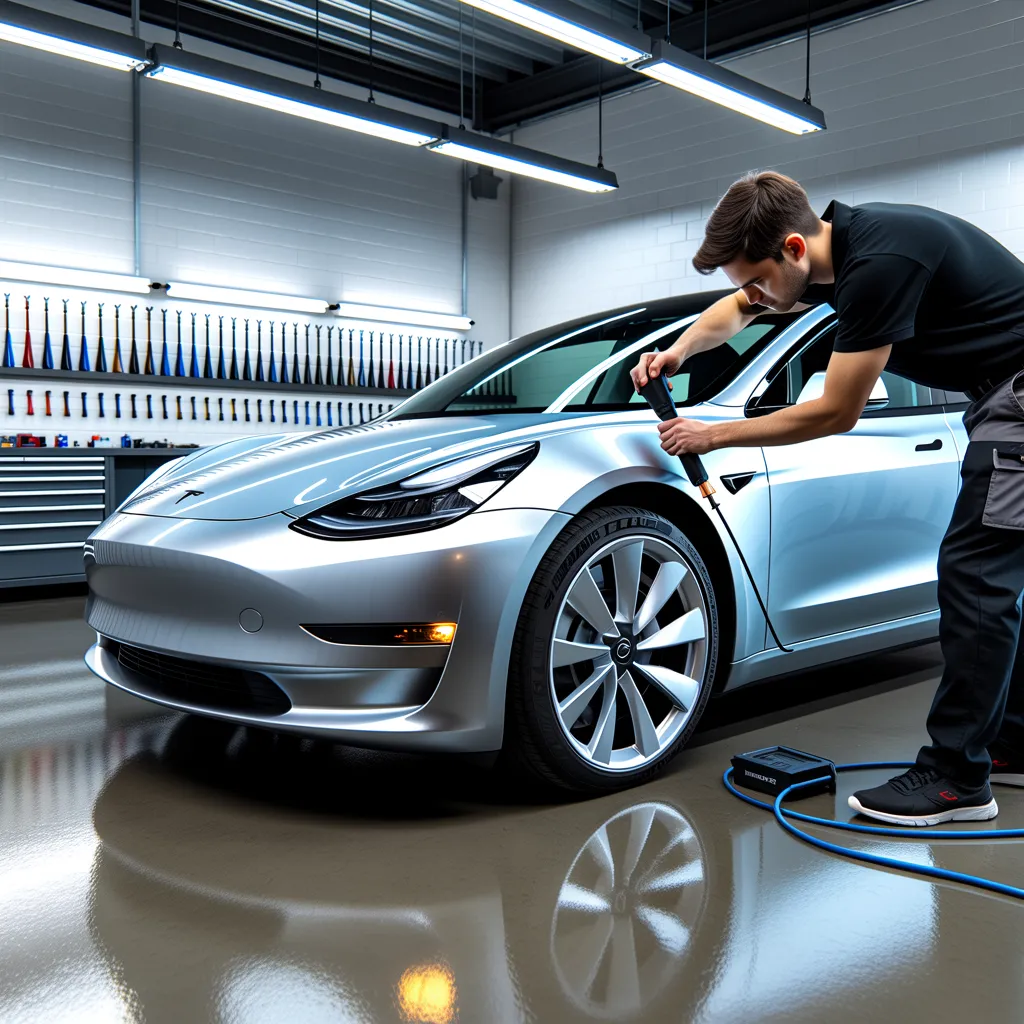
Learning About Vehicle Wrapping and How It Functions?
Car wrapping is a innovative process that involves applying a long-lasting vinyl film over a vehicle's original paint. This process enables a vast range of colors, textures, and finishes, permitting owners to personalize their vehicles without the durability of traditional paint. First, a comprehensive cleaning of the vehicle’s surface is performed to ensure proper adhesion. Afterwards, the vinyl film gets carefully measured and cut to perfectly fit each section of the vehicle. Skilled technicians then apply the film, using specialized tools to smooth out any air bubbles and guarantee a seamless finish. The wrapping material is crafted to be flexible, enabling it to mold to the vehicle’s curves. After application, the film can last for multiple years with proper maintenance, offering a protective shield against scratches and UV rays. All in all, car wrapping is a creative solution for aesthetic upgrades and safeguarding vehicles.
Perks of Car Wrapping Compared Traditional Painting
Choosing car wrapping over traditional painting gives numerous benefits that appeal to vehicle owners. One significant benefit is the versatility of design; wraps can simply be modified with colors, patterns, and textures, allowing for special personalization. Additionally, car wraps can be applied in a mere portion of the time it takes to paint a vehicle, minimizing downtime for owners.
Extended durability is a major advantage; high-grade wraps are safeguarded against UV rays, scratches, and environmental elements, often persisting for several years with proper care. In contrast, traditional paint can wear and bleach more easily.
Additionally, car wrapping is changeable, as owners can change their vehicle's look without permanently changing the original paint, which can help maintain resale value. Finally, wraps are often more affordable than a full paint job, making them an appealing option for those looking to enhance their vehicle's aesthetic without spending excessively.
Varieties of Vehicle Wraps You Can Choose for Your Car
When evaluating car wrapping, numerous options are available to suit individual preferences. Vinyl wraps offer a variety of hues and textures, while specialty wraps offer unique designs for a standout look. Additionally, the selection between matte and gloss finishes can significantly influence the overall appearance of the vehicle.
Vinyl Coating Possibilities
A array of vinyl wrap options are accessible for vehicle modification, each designed for different visual preferences and utility. Standard wraps usually offer a glossy or matte finish, providing a smooth appearance. Satin wraps blend the two, creating a gentle sheen that accentuates the vehicle's lines. For those looking for a special look, textured wraps like carbon fiber or brushed metal mimic high-end materials, adding depth and sophistication. Color-changing wraps provide versatility, enabling vehicles to shift colors depending on the angle of light. Additionally, solid color wraps offer for a daring , uniform appearance, while digital prints enable intricate designs and graphics. Each option enhances not only the vehicle’s appearance but also preserves the original paint.
Specialty Wrap Varieties
Beyond conventional vinyl options, specialty wraps offer distinctive options for vehicle customization that cater to personal preferences and particular needs. These wraps include chrome finishes, which provide a reflective, mirror-like effect, perfect key information for those wanting a bold statement. Carbon fiber coverings replicate the appearance of real carbon fiber, adding a athletic aesthetic while staying lightweight and durable. Additionally, textured coverings, such as brushed metallic or leather finishes, enable for a tactile experience that sets a vehicle apart. For promotional needs, bespoke graphic coverings allow businesses to display their brand identity effectively. Each custom covering not only improves the car's appearance but also protects its factory finish, making them a practical choice for numerous automotive fans.
Matte vs. Gloss Finish
In what ways do matte and gloss surfaces differ in vehicle wrapping? Matte finishes yield a non-reflective, subtle presentation, appealing to those seeking a polished, contemporary look. This texture can obscure imperfections and is resistant to displaying marks, rendering it favored among car enthusiasts. However, matte wraps require specific maintenance to maintain their appearance and can be more vulnerable to surface damage.
In comparison, shiny coatings provide a shiny, vibrant appearance, enhancing colors and providing vehicles a refined, attention-grabbing result. This type bounces light, making it perfect for showcasing complex patterns or emblems. While gloss wraps are easier to clean and maintain, they may expose imperfections more readily. In the end, the decision between matte and shiny finishes depends on personal preferences and desired aesthetics.
Car Wrapping Setup Overview: What to Look For
Vehicle wrapping installation changes a car's appearance with accuracy and attention to detail. Initially, the vehicle is thoroughly cleaned to remove any dirt, grease, or debris that could impact adhesion. Technicians then inspect the surface for imperfections, ensuring a even finish.
Once preparation is complete, the selected vinyl wrap is carefully measured and cut to fit the vehicle's contours. During the application, the wrap is positioned using professional tools to avoid air bubbles and wrinkles. This process demands attention to detail, as each section must line up perfectly with adjacent parts to produce a seamless finish.
After the wrap is applied, surplus material is removed, and the borders are tightly secured or bonded. A final inspection is conducted to confirm that all areas meet quality standards. This thorough technique delivers an impressive overhaul that upgrades the car's visual appeal while delivering a shielding barrier.
Maintenance Tips for Keeping Your Car Wrap Looking Fresh
Maintaining a car wrap requires frequent care to keep it looking bright and new. Routine washing is crucial; hand washing with gentle detergent and a delicate cloth helps prevent scratches that can damage the vinyl. It is advisable to avoid automatic car washes with brushes, as they can create rubbing and lead to peeling.
Additionally, applying a UV protectant can protect the wrap from sun damage, maintaining its colors. Parking in shaded areas or using car covers can additionally decrease exposure to harmful UV rays. For tough marks, a gentle solvent specifically designed for vinyl wraps may be used, but one should test it on a small area first.
Frequent inspections for any signs of wear, such as peeling edges or bubbles, permit prompt repairs, ensuring the wrap preserves its condition. Following these upkeep suggestions will greatly extend the longevity and visual appeal of a car wrap, preserving it looking as good as new.
How Can You Locate Reliable Car Wrapping Solutions in Your Area?
Discovering trusted car wrapping services can significantly improve the durability of a vehicle's wrap. To find trusted companies, people should begin by consulting online reviews and ratings on platforms like Google, Yelp, or social media. These sites often feature client reviews that highlight quality of service, professionalism, and craftsmanship.
In addition, requesting suggestions from your network who have previously employed car wrapping services can furnish valuable insights. It is also prudent to visit local car showcases or enthusiast groups, where experts often highlight their accomplishments.
After a shortlist is formed, prospective clients should seek quotes and portfolios to assess the caliber of earlier assignments. Participating in direct conversations with service providers facilitates inquiries regarding their background, supplies selected, and warranties offered. In summary, thorough research and personal referrals are vital for finding trustworthy car wrapping options that fulfill unique requirements.
Learning about Cost Variables of Car Covering
Grasping the price elements for car wrapping includes multiple key elements. Material quality significantly affects the overall price, while the intricacy of the pattern can add to the expenditure. Additionally, labor expenses for installation must be considered, as they differ based on the intricacies of the wrap process.
Material Quality Plays a Role
The grade of substance serves a key function in establishing the overall price of car wrapping services. Premium vinyl sheets usually feature advanced features like better durability, UV resistance, and simple installation. These products improve the aesthetic quality while also prolonging the life of the wrap, minimizing frequent replacements. By comparison, budget options may reduce upfront expenses yet frequently lead to quicker wear and fading, resulting in supplementary costs throughout the years. Moreover, premium materials demand expert application methods, affecting labor costs too. As a result, material selection significantly impacts both initial expenditure and future worth, rendering it vital for vehicle owners considering a vehicle wrap.
Design Intricacy Considerations
How can design complexity influence the cost of car wrapping services? The intricacy of a vehicle's design greatly affects pricing. Basic designs, with solid colors or simple graphics, typically incur lower costs because of minimal material waste and easier application. In contrast, complex designs with intricate patterns, gradients, or multiple colors require more time and skilled labor, leading to higher expenses. Additionally, the necessity of exact alignment and cutting can further elevate costs. Clients should also consider the potential for additional design revisions, as more complex visuals may require numerous drafts. Ultimately, understanding the relationship between design complexity and cost is key for clients seeking to reach their desired aesthetic while handling their budget effectively.
Implementation Labor Charges
Installation labor charges make up a notable part of the total expenses related to car wrapping services. Such costs can differ considerably depending on various factors like the design’s complexity, the vehicle’s size, and the installers’ expertise. Intricate patterns or wraps requiring more trimming and tweaks will require more time and expert skills, causing higher labor costs. Furthermore, larger cars tend to cost more in labor fees due to their increased surface area and longer installation durations. It’s important for potential customers to receive detailed cost breakdowns of labor and include them in their budgeting for car wrapping projects. Being aware of these elements ensures informed choices.
Popular Queries That Are Requested
How Long Can You Anticipate a Car Wrap to Endure?
A car wrap usually lasts between five to seven years, based on factors such as environmental conditions, maintenance, and application quality. Proper care can lengthen its lifespan, sustaining appearance and effectiveness over time.
Can I Peel off a Car Wrap By myself?
Yes, a car wrap can potentially be removed by an person, although it requires precise handling to protect against damage to the vehicle's paint. Heat guns or removal solvents may facilitate the process for more straightforward removal.
Does a Car Wrap harm My Vehicle's Paint?
A car wrap typically won't damage the car's paint job if mounted and removed correctly. However, bad installation or prolonged exposure can bring about adhesive issues, possibly harming the paint layer when removed.
Are warranty options offered for vehicle wraps?
Yes, numerous car wrap providers deliver warranty options that routinely cover defects in materials and execution. Customers should discuss specific terms, among them period and coverage, to confirm adequate assurance for their investment.
Is wrapping a rented automobile allowed?
Yes, a leased vehicle can be wrapped, but it's critical to examine the lease agreement for any constraints. Correct removal is essential to avoid deterioration and ensure compliance with restoration requirements set by the rental agency.